Ending the Dog Meat Trade
Historically, the consumption of dog meat was a prevalent issue across Southeast Asia, often deeply rooted in traditional drinking cultures. Thirty years ago, the scale of the trade in the Philippines was staggering; hundreds of thousands of dogs were stolen from their homes or rounded up from the streets every year.
The journeys these animals endured were nothing short of barbaric. Dogs were crammed into trucks—often hidden beneath false flooring—with their muzzles bound tight and their legs tied painfully behind their backs. For up to 24 hours, they were transported in stifling conditions, terrified and unable to breathe freely. Many succumbed to exhaustion and heatstroke on the journey; those who survived faced a brutal end upon arrival. It was this systemic cruelty that drove us to help over 20 years ago.
The Dog Meat Trade At A Glance
- 500,000 Dogs Per Year: At the height of the trade half a million dogs were slaughtered annually. Today, that number has been decimated thanks to decades of IWCT intervention.
- A Landmark Ban: The Philippines led the way in Southeast Asia by passing the Animal Welfare Act and the Anti-Rabies Act, making the trade strictly illegal and punishable by law.
- Protecting Public Health: Dismantling illegal trade routes has significantly reduced Rabies transmission, saving thousands of canine lives and making local communities safer for everyone.
Pioneering a Path to Abolition
Today, the landscape in the Philippines has been transformed. Thanks to the relentless efforts of IWCT, in close collaboration with government agencies and law enforcement, strict legislation now prohibits the slaughter of dogs for human consumption.
Through these collective efforts, we have achieved a dramatic reduction in the trade. By tightening laws and increasing the risk for traffickers, we have made it nearly impossible for traders to transport live dogs across long distances. The Philippines has become a beacon of hope, proving that with enough determination and legal pressure, this abhorrent practice can be dismantled.
Our Ongoing Vigilance
While the trade has been largely eradicated, our work is not yet finished. Small pockets of illegal activity remain, primarily in remote regions in the North. IWCT maintains a dedicated Investigator who works tirelessly with local assets to monitor these “high-risk” areas and intercept any attempts to revive the trade.
We remain ever-vigilant, ensuring the progress we have made is permanent. Our success in the Philippines serves as a blueprint for other nations where the dog meat trade still exists; we hope our journey inspires global change, showing the world that a future free from this cruelty is within reach.
Ending the Dog Meat Trade
Strengthening the Law
Strengthening the Law
Expert Legal Prosecution
Expert Legal Prosecution
Advanced DNA Analysis
Advanced DNA Analysis
Report Illegal Activity
Report Illegal Activity
Learn about the rest of our work!
Our Mobile
Clinics
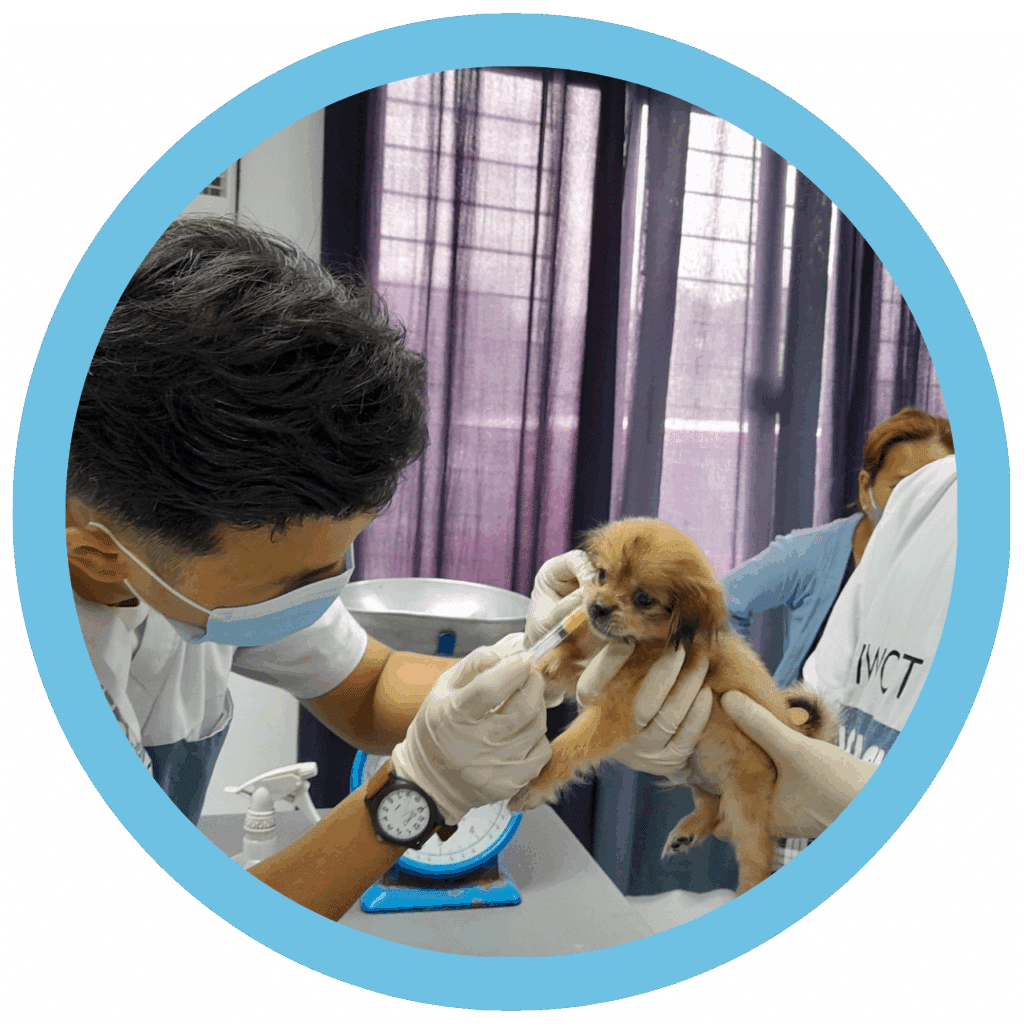
Delivering FREE spay/neuter surgery and life-saving vaccinations through our Treatment Centre and Mobile Clinics to combat Rabies and humanely manage the dog population in the Philippines.
Education
Programme
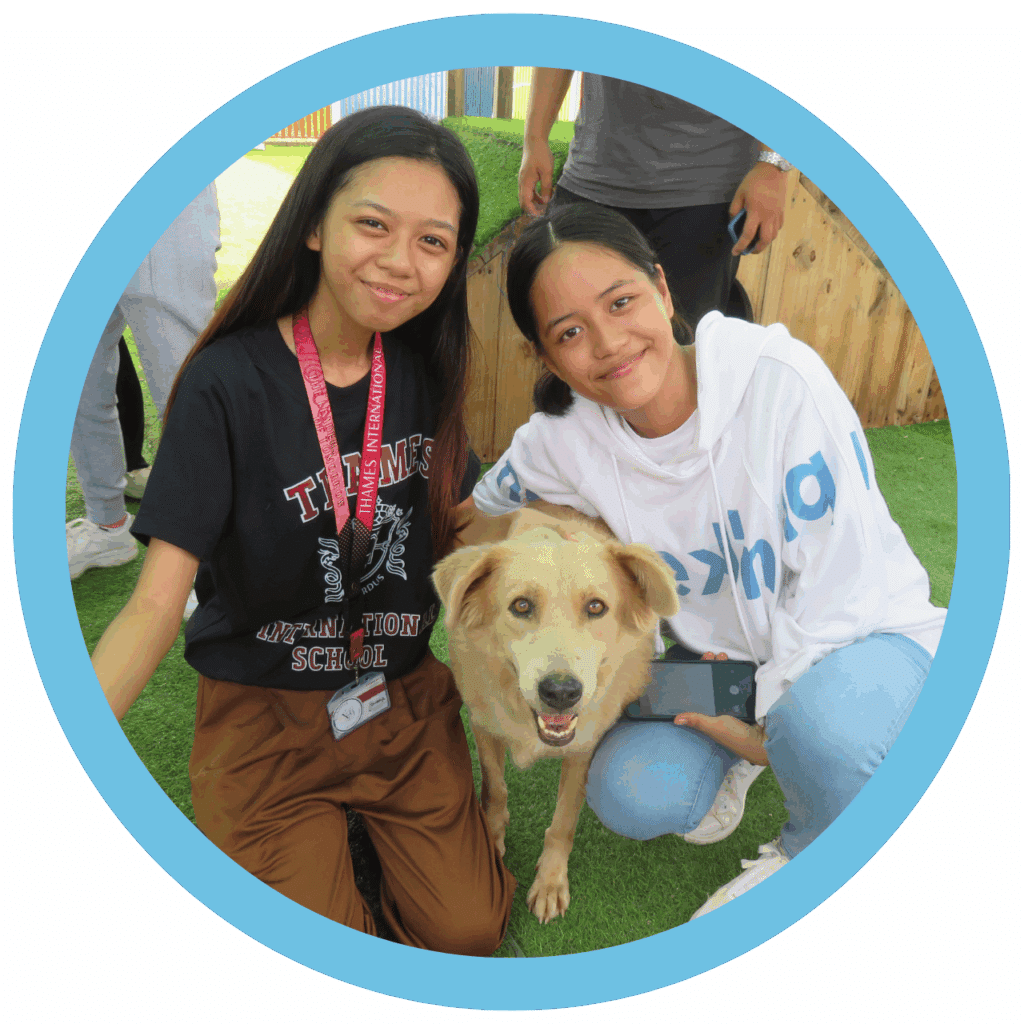
Partnering with schools and communities to deliver essential animal welfare education, transforming attitudes and creating the next generation of compassionate animal advocates.
Rescue,
Rehab, Rehome
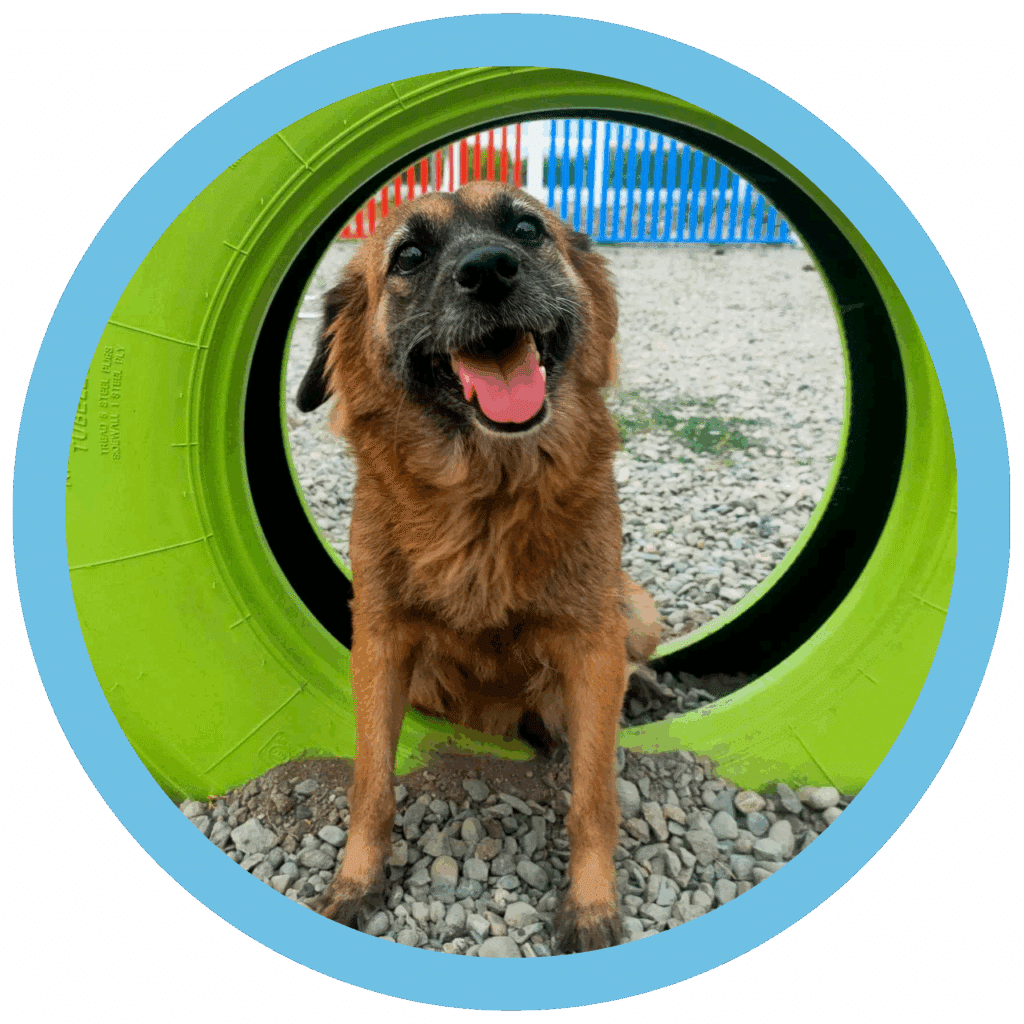
Providing life-saving specialised veterinary treatment and round-the-clock care to heal trauma and prepare our lovely rescue dogs for their forever homes.
